Grow A Bountiful Harvest Of Tomatoes And Cucumbers With Companion Planting
Grow a Bountiful Harvest of Tomatoes and Cucumbers with Companion Planting
Tomatoes and cucumbers are two of the most popular vegetables to grow in home gardens. They're both delicious, versatile, and relatively easy to care for. But did you know that you can improve your chances of a bountiful harvest by companion planting?
Companion planting is the practice of planting certain plants together to benefit each other. Some plants attract beneficial insects, while others deter pests. Some help to improve the soil, while others provide shade or support.
When it comes to tomatoes and cucumbers, there are a number of companion plants that can help you to grow a healthy and productive garden. Here are a few of the best:
- Basil: Basil is a classic companion plant for tomatoes. It helps to repel pests, such as aphids and tomato hornworms. It also helps to improve the flavor of tomatoes.
- Marigolds: Marigolds are another great companion plant for tomatoes. They help to repel nematodes, which are a common pest of tomatoes. They also help to improve the drainage of the soil.

- Nasturtiums: Nasturtiums are not only beautiful flowers, but they're also a great companion plant for tomatoes. They help to attract beneficial insects, such as ladybugs and lacewings. They also help to deter pests, such as aphids and whiteflies.
- Beans: Beans are nitrogen-fixing plants, which means that they can help to improve the nitrogen content of the soil. This is beneficial for tomatoes, as they are heavy feeders.
- Peas: Peas are another nitrogen-fixing plant that can benefit tomatoes. They're also a good choice for companion planting because they can help to suppress weeds.
In addition to these specific companion plants, there are a few general principles that you can follow when companion planting tomatoes and cucumbers. First, it's important to plant plants that have similar growing requirements. Tomatoes and cucumbers both need full sun and well-drained soil. Second, you want to avoid planting plants that compete for the same nutrients. For example, you should avoid planting tomatoes and cucumbers together, as they both require a lot of nitrogen.
By following these simple tips, you can improve your chances of growing a bountiful harvest of tomatoes and cucumbers. So get out there and start companion planting today!
Tomatoes and cucumbers are two popular vegetables that are often grown together in gardens. This is because they have similar growing requirements, such as needing full sun and well-drained soil. Additionally, they can help to deter pests and diseases from each other. For example, cucumbers can help to attract beneficial insects that prey on tomato pests, while tomatoes can help to suppress the growth of powdery mildew, a common cucumber disease.
If you are interested in planting tomatoes and cucumbers together in your garden, I recommend visiting Gardenia Inspiration. This website has a wealth of information about companion planting, including specific recommendations for tomatoes and cucumbers. You can also find tips on how to space the plants correctly and how to care for them throughout the growing season.
FAQ of tomato and cucumber companion planting
Question 1: What are some good companion plants for tomatoes and cucumbers?
Answer: Tomatoes and cucumbers are both heavy feeders, so they benefit from being planted near other plants that help to improve the soil. Some good companion plants for tomatoes and cucumbers include:
- Basil: Basil helps to repel pests and attract beneficial insects.
- Borage: Borage attracts pollinators and helps to improve the nitrogen content of the soil.
- Carrots: Carrots help to deter nematodes, which can be a problem for tomatoes.
- Lettuce: Lettuce helps to suppress weeds and provides shade for the roots of tomatoes.
- Marigolds: Marigolds help to repel pests and attract beneficial insects.
Question 2: How far apart should tomatoes and cucumbers be planted?
Answer: Tomatoes and cucumbers should be planted at least 2 feet apart. This will give them enough space to grow and prevent them from competing for resources.
Question 3: How often do I need to water tomato and cucumber plants?
Answer: Tomato and cucumber plants need about 1-2 inches of water per week. You may need to water more often if the weather is hot and dry.
Question 4: What is the best soil for tomatoes and cucumbers?
Answer: Tomatoes and cucumbers do best in well-drained, fertile soil with a pH of 5.8 to 7.0. If your soil is not ideal, you can amend it with compost or other organic matter.
Question 5: What are some common pests and diseases that affect tomatoes and cucumbers?
Answer: Some common pests and diseases that affect tomatoes and cucumbers include:
- Aphids: Aphids are small, sap-sucking insects that can damage plants.
- Cucumber beetles: Cucumber beetles can damage leaves and fruit.
- Powdery mildew: Powdery mildew is a fungal disease that can cause white spots on leaves.
- Bacterial wilt: Bacterial wilt is a bacterial disease that can kill plants.
Image of tomato and cucumber companion planting
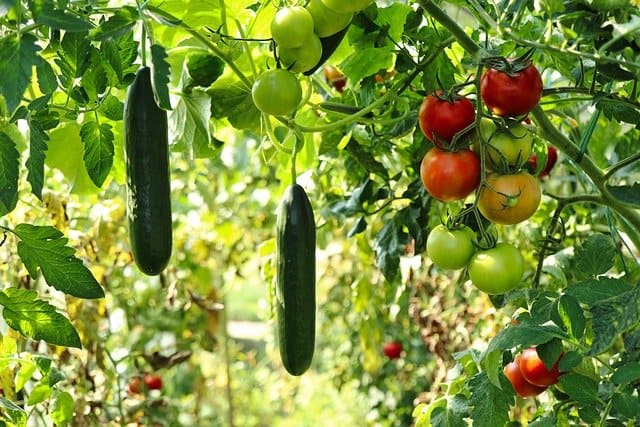
- Image 1: A garden bed with tomato and cucumber plants growing side by side. The tomatoes are staked and the cucumbers are growing on a trellis. There are also some marigolds and nasturtiums growing in the bed.
- Image 2: A close-up of a tomato and cucumber plant. The tomato plant is covered in red tomatoes and the cucumber plant is covered in small cucumbers.

- Image 3: A diagram showing the benefits of companion planting tomatoes and cucumbers. The diagram shows that tomatoes and cucumbers attract different pollinators, which can help to improve pollination and yield.
- Image 4: A photo of a tomato and cucumber salad. The salad is topped with fresh herbs, such as basil and dill.
- Image 5: A photo of a tomato and cucumber soup. The soup is garnished with fresh dill.
Post a Comment for "Grow A Bountiful Harvest Of Tomatoes And Cucumbers With Companion Planting"