Grow Your Own Hydrangea Hamburg
Grow Your Own Hydrangea Hamburg
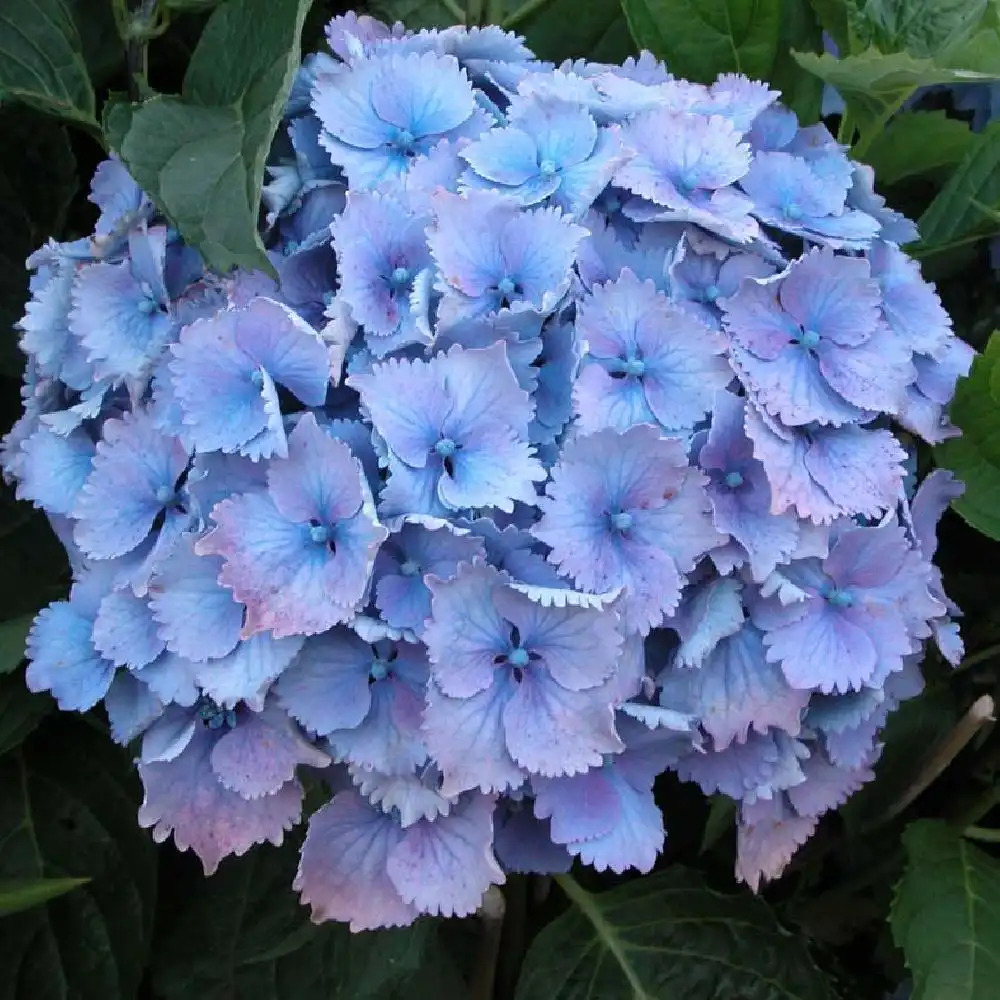
Hydrangea Hamburg is a beautiful and versatile shrub that can be grown in a variety of settings. It is known for its large, showy flowers that can be pink, blue, or white, depending on the soil pH. Hydrangea Hamburg is also relatively easy to care for, making it a popular choice for both experienced and novice gardeners.
In this blog post, we will discuss the basics of growing Hydrangea Hamburg, including planting, care, and pruning. We will also provide some tips for getting the most out of your plants.
Planting Hydrangea Hamburg
Hydrangea Hamburg can be planted in the spring or fall. When choosing a location, select a spot that receives full sun to partial shade. The soil should be well-drained and rich in organic matter.
To plant a Hydrangea Hamburg, dig a hole that is twice as wide and as deep as the root ball. Amend the soil with compost or manure, and then place the plant in the hole. Backfill the hole with soil, and water thoroughly.
Caring for Hydrangea Hamburg
Hydrangea Hamburg is a relatively low-maintenance plant. However, there are a few things you can do to keep your plants healthy and thriving.
Water your Hydrangea Hamburg regularly, especially during the first year after planting. Water deeply, so that the water reaches the roots.
Fertilize your Hydrangea Hamburg in the spring and fall with a balanced fertilizer. You can also use a fertilizer specifically designed for hydrangeas.
Prune your Hydrangea Hamburg in the spring, after the flowers have faded. Prune back the old flower stems to the ground. You can also thin out the plant by removing any weak or crossing branches.
Getting the Most Out of Your Hydrangea Hamburg
There are a few things you can do to get the most out of your Hydrangea Hamburg.
Choose the right location. Hydrangea Hamburg does best in full sun to partial shade. If you live in a hot climate, you may want to plant your hydrangeas in a spot that receives some afternoon shade.
Water regularly. Hydrangea Hamburg needs regular watering, especially during the first year after planting. Water deeply, so that the water reaches the roots.
Fertilize properly. Fertilize your Hydrangea Hamburg in the spring and fall with a balanced fertilizer. You can also use a fertilizer specifically designed for hydrangeas.
Prune correctly. Prune your Hydrangea Hamburg in the spring, after the flowers have faded. Prune back the old flower stems to the ground. You can also thin out the plant by removing any weak or crossing branches.
Control pests and diseases. Hydrangea Hamburg is generally pest- and disease-resistant. However, you may occasionally see aphids, scale, or powdery mildew. If you see any pests or diseases, treat them promptly according to the directions on the label.
Enjoy your beautiful Hydrangea Hamburg!
If you're looking for a beautiful and versatile flowering shrub, the hydrangea hamburg is a great option. These plants are native to Japan, and they're known for their large, showy blooms that can range in color from blue to pink to white. Hydrangea hamburgs are also relatively easy to care for, making them a good choice for beginner gardeners.
If you're interested in learning more about hydrangea hamburgs, I recommend visiting . This website has a wealth of information about the plant, including its history, care requirements, and varieties. You can also find photos and videos of hydrangea hamburgs in bloom.
FAQ of hydrangea hamburg
Q: What is Hydrangea Hamburg?
A: Hydrangea Hamburg is a deciduous shrub that is native to Japan. It is known for its large, showy flowers that bloom in shades of pink, blue, or white. Hydrangea Hamburg grows to be about 6 feet tall and wide, and it is hardy in USDA zones 5-9.
Q: What are the best growing conditions for Hydrangea Hamburg?
A: Hydrangea Hamburg prefers full sun to partial shade and moist, well-drained soil. It is important to water Hydrangea Hamburg regularly, especially during hot, dry weather.
Q: How do I care for Hydrangea Hamburg?
A: Hydrangea Hamburg is relatively easy to care for. In the spring, you can fertilize it with a balanced fertilizer. In the fall, you can prune it to remove dead or damaged branches.
Q: What are some common pests and diseases of Hydrangea Hamburg?
A: The most common pests of Hydrangea Hamburg are aphids, scale, and spider mites. The most common diseases of Hydrangea Hamburg are leaf spot and powdery mildew.
Q: How do I propagate Hydrangea Hamburg?
A: Hydrangea Hamburg can be propagated by cuttings or by division. Cuttings are taken in the spring or summer, and division is done in the fall.
Image of hydrangea hamburg
- Image 1: A large, flowering hydrangea bush with pink blooms.
- Image 2: A close-up of a single hydrangea flower with blue petals.
- Image 3: A row of hydrangea bushes in bloom, with white flowers.
- Image 4: A hydrangea bush in a pot, with pink and blue flowers.
- Image 5: A hydrangea flower with a mix of pink, blue, and white petals.


Post a Comment for "Grow Your Own Hydrangea Hamburg"