The Ultimate Guide To Gerbera Daisy Companion Plants
The Ultimate Guide to Gerbera Daisy Companion Plants
Gerbera daisies are beautiful, colorful flowers that can add a touch of brightness to any garden. They are also relatively easy to care for, making them a popular choice for both experienced and novice gardeners.
One of the best ways to ensure that your gerbera daisies thrive is to plant them with the right companion plants. Companion planting is the practice of planting different types of plants together that benefit each other in some way. For example, some companion plants can help to deter pests, while others can help to improve the soil quality.
In this guide, we will discuss the best companion plants for gerbera daisies. We will also provide some tips on how to plant and care for these beautiful flowers.
Benefits of Companion Planting
There are many benefits to companion planting. Some of the most common benefits include:
- Disease and pest control: Some companion plants can help to deter pests and diseases. For example, marigolds are known to repel nematodes, which can damage gerbera daisies.
- Improved soil quality: Some companion plants can help to improve the soil quality. For example, legumes fix nitrogen in the soil, which can benefit other plants.
- Increased pollination: Some companion plants can attract pollinators, such as bees and butterflies. This can help to increase the pollination of your gerbera daisies, which will lead to more flowers.
- Enhanced beauty: Companion planting can also enhance the beauty of your garden. For example, you can plant gerbera daisies with other colorful flowers to create a stunning display.
Best Companion Plants for Gerbera Daisies
There are many different companion plants that can be planted with gerbera daisies. Some of the best include:
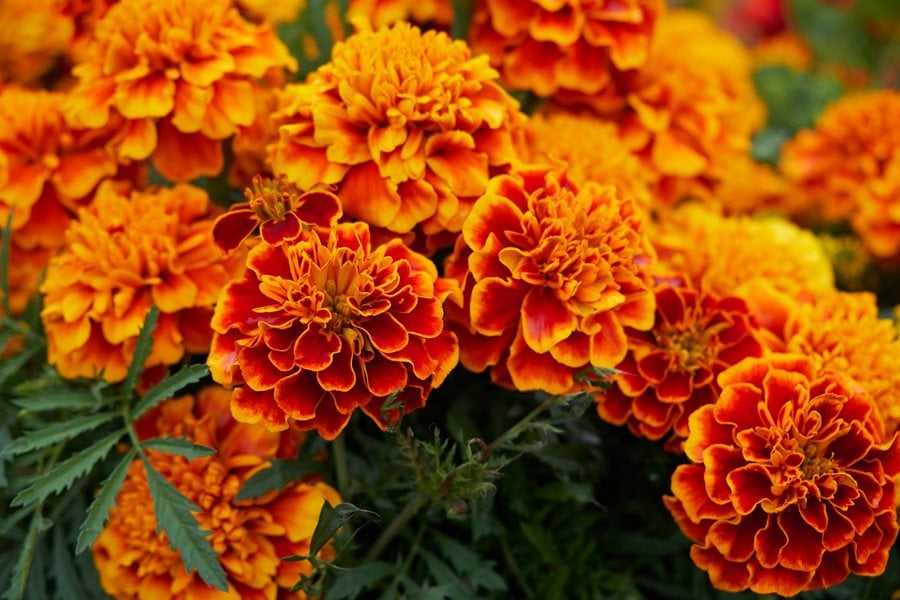
- Marigolds: Marigolds are a great companion plant for gerbera daisies because they help to repel nematodes. Nematodes are small, parasitic worms that can damage the roots of gerbera daisies. Marigolds also release a scent that deters other pests, such as aphids and whiteflies.
- Petunias: Petunias are another great companion plant for gerbera daisies. They are both colorful flowers that can add a touch of brightness to any garden. Petunias also help to attract pollinators, such as bees and butterflies.

- Lavender: Lavender is a beautiful and fragrant herb that can be planted with gerbera daisies. Lavender helps to repel pests, such as mosquitoes and moths. It also helps to improve the soil quality by attracting beneficial insects.

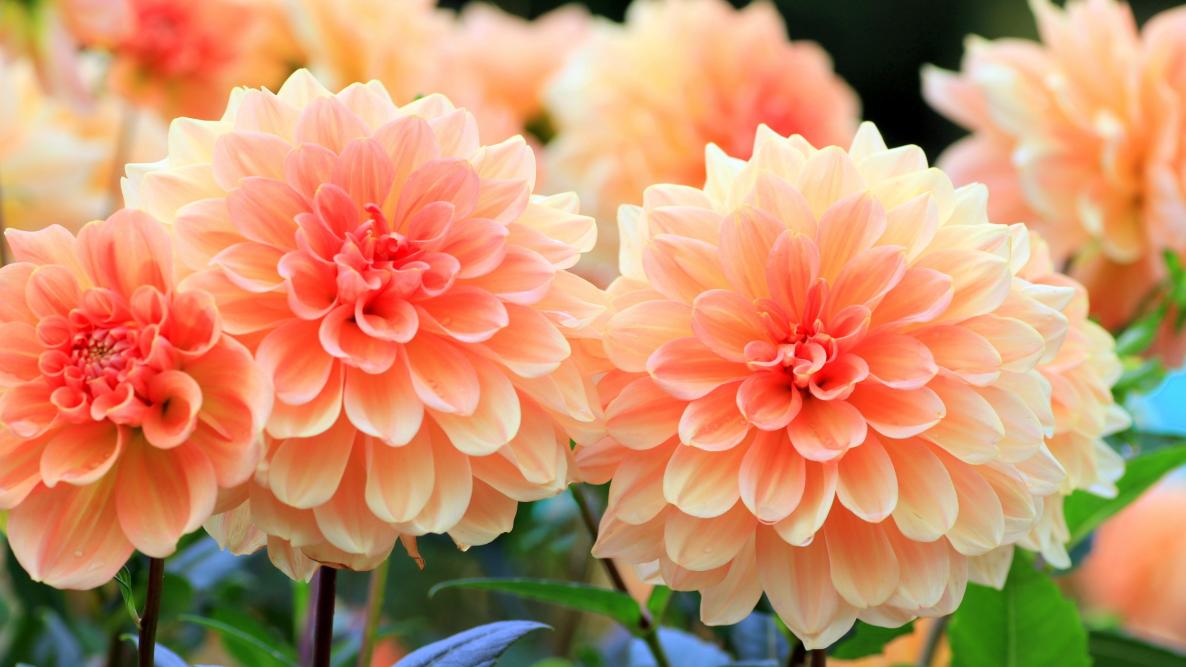
- Dahlias: Dahlias are another colorful flower that can be planted with gerbera daisies. They both have similar growing requirements, so they will thrive together. Dahlias also help to attract pollinators, such as bees and butterflies.
- Cosmos: Cosmos is a low-maintenance flower that can be planted with gerbera daisies. It is drought-tolerant and does not require a lot of fertilizer. Cosmos also helps to attract pollinators, such as bees and butterflies.

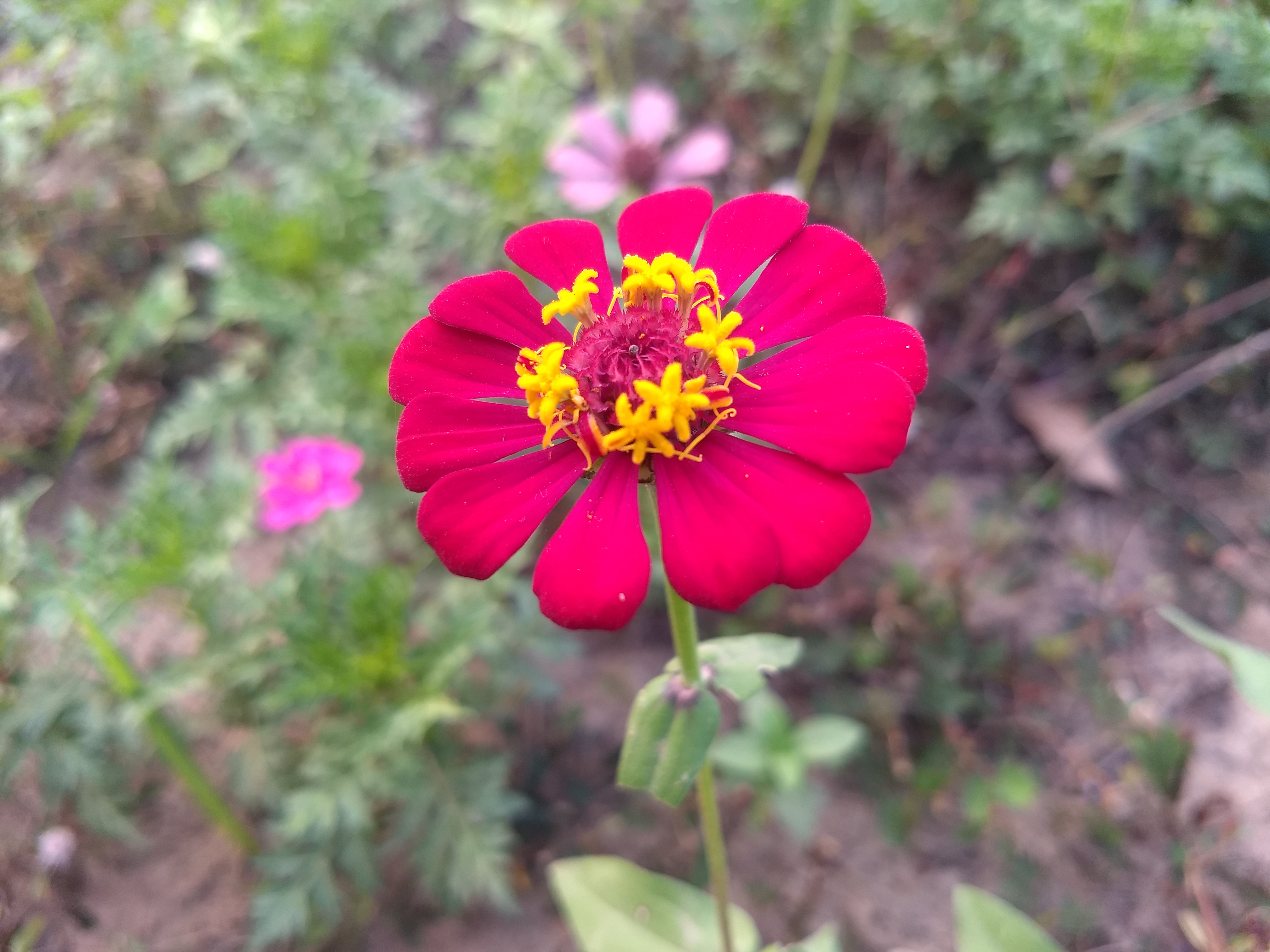
- Zinnia: Zinnias are another easy-to-grow flower that can be planted with gerbera daisies. They come in a variety of colors, so you can choose the ones that best complement your gerbera daisies. Zinnias also help to attract pollinators, such as bees and butterflies.

How to Plant and Care for Gerbera Daisies
Gerbera daisies are relatively easy to plant and care for. Here are some tips:
- Plant gerbera daisies in full sun. They need at least 6 hours of sunlight per day.
- Plant gerbera daisies in well-draining soil. They do not tolerate wet soil.
- Fertilize gerbera daisies every 4-6 weeks with a balanced fertilizer.
- Water gerbera daisies regularly, but do not overwater them.
- Deadhead gerbera daisies regularly to encourage new blooms.
With proper care, gerbera daisies will bloom for many months.
Conclusion
Gerbera daisies are beautiful and easy-to-grow flowers that can add a touch of brightness to any garden. By planting them with the right companion plants, you can help to ensure that they thrive.
I hope this guide has been helpful. If you have any questions, please feel free to leave a comment below.
Gerbera daisies are beautiful flowers that can add a touch of color to any garden. But did you know that there are certain plants that can help to enhance their beauty and make them even more stunning?
That's right, there are a number of companion plants that can be grown alongside gerbera daisies to create a truly stunning display. Some of the best companion plants for gerbera daisies include:
- Caladium: This plant has bold, colorful foliage that can help to complement the bright petals of gerbera daisies.
- Bacopa: This plant is known for its cascading flowers, which can help to soften the edges of a gerbera daisy border.
- Dusty Miller: This plant has silvery-green foliage that provides a nice contrast to the bright colors of gerbera daisies.
If you're looking to create a beautiful and eye-catching display of gerbera daisies, be sure to consider planting some of these companion plants alongside them. You won't be disappointed!
For more information about gerbera daisy companion plants, be sure to visit Garden Wiki. This website has a wealth of information on the topic, including a list of the best companion plants, tips on how to plant and care for them, and photos of stunning displays.
FAQ of gerbera daisy companion plants
5 Most Frequently Asked Questions About Gerbera Daisy Companion Plants
1. What are some good companion plants for gerbera daisies?
Some good companion plants for gerbera daisies include:
- Yellow foliage plants: These plants will help to highlight the bold colors of the gerbera daisies. Some good options include hakonechloa macra, goldenrod, and yarrow.
- Small, spiky blue flowers: These flowers will help to bring out the sunset hues of gerbera daisies. Some good options include sage, lobelia, and delphinium.
- Tall, airy plants: These plants will help to create a sense of depth in the garden. Some good options include hollyhocks, delphiniums, and cosmos.
- Low-maintenance plants: Gerbera daisies are relatively low-maintenance plants, so you'll want to choose companion plants that are also easy to care for. Some good options include lavender, rosemary, and thyme.
2. What are the benefits of planting companion plants with gerbera daisies?
There are several benefits to planting companion plants with gerbera daisies, including:
- Improved appearance: Companion plants can help to improve the overall appearance of your garden by adding height, texture, and color.
- Attract pollinators: Many companion plants attract pollinators, such as bees and butterflies. These pollinators are essential for the pollination of gerbera daisies and other plants.
- Reduce pests and diseases: Some companion plants can help to repel pests and diseases. For example, marigolds are known to repel nematodes, which can damage gerbera daisies.
- Improve soil quality: Some companion plants can help to improve the soil quality around gerbera daisies. For example, legumes fix nitrogen in the soil, which can benefit gerbera daisies.
3. How do I choose the right companion plants for my gerbera daisies?
When choosing companion plants for your gerbera daisies, there are a few things to keep in mind:
- Plants with similar needs: Make sure to choose companion plants that have similar needs in terms of sunlight, water, and soil type.
- Plants with different colors: This will help to create a more visually appealing garden.
- Plants with different textures: This will add interest to the garden.
- Plants with different heights: This will create a sense of depth in the garden.
4. How do I plant companion plants with gerbera daisies?
To plant companion plants with gerbera daisies, simply follow these steps:
- Choose a location that receives full sunlight.
- Prepare the soil by tilling it and adding compost or manure.
- Plant the gerbera daisies and companion plants at the same depth as they were growing in their pots.
- Water the plants thoroughly.
5. How do I care for gerbera daisy companion plants?
The care requirements for gerbera daisy companion plants will vary depending on the specific plants. However, most companion plants will need regular watering, fertilizing, and deadheading.
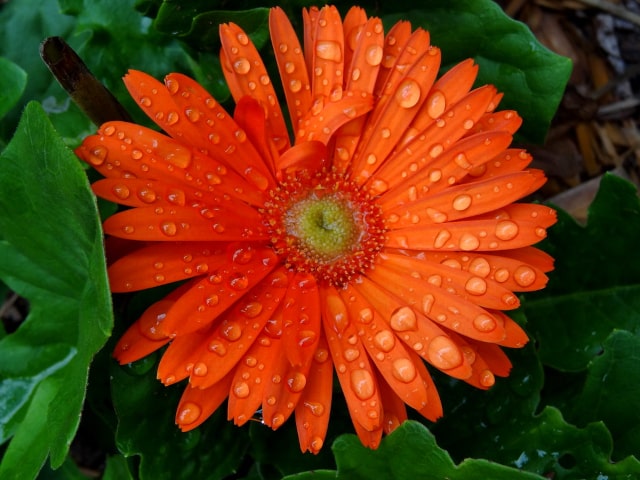
Image of gerbera daisy companion plants
- Salvia. Salvias have tall, spiky flowers that complement the bold blooms of gerbera daisies. They also share similar growing conditions, so they're a good choice for companion planting.
- Lobelia. Lobelias are small, delicate flowers that add a touch of contrast to gerbera daisies. They also attract butterflies and hummingbirds, which can add to the beauty of your garden.
- Ageratum. Ageratum is a low-growing plant with small, blue flowers. It's a good choice for filling in the spaces between gerbera daisies, and it also helps to suppress weeds.

- Dusty Miller. Dusty Miller is a silvery-leaved plant that adds a touch of texture to a garden. It's also drought-tolerant, so it's a good choice for companion planting in hot, dry climates.

- Coral Bells. Coral Bells are a type of heuchera with colorful foliage. They're a good choice for companion planting with gerbera daisies because they bloom at different times of the year, so your garden will be in bloom all season long.


Post a Comment for "The Ultimate Guide To Gerbera Daisy Companion Plants"